On page SEO is one of the most important foundations of search engine optimization. Without proper on page SEO, even high-quality content may struggle to rank in search results. Search engines rely on on page signals to understand content relevance, quality, and user value. When implemented correctly, on page SEO improves visibility, engagement, and long-term organic growth.
This guide explains what on page SEO is, why it matters, and how to optimize each element effectively while maintaining accuracy, trust, and value.
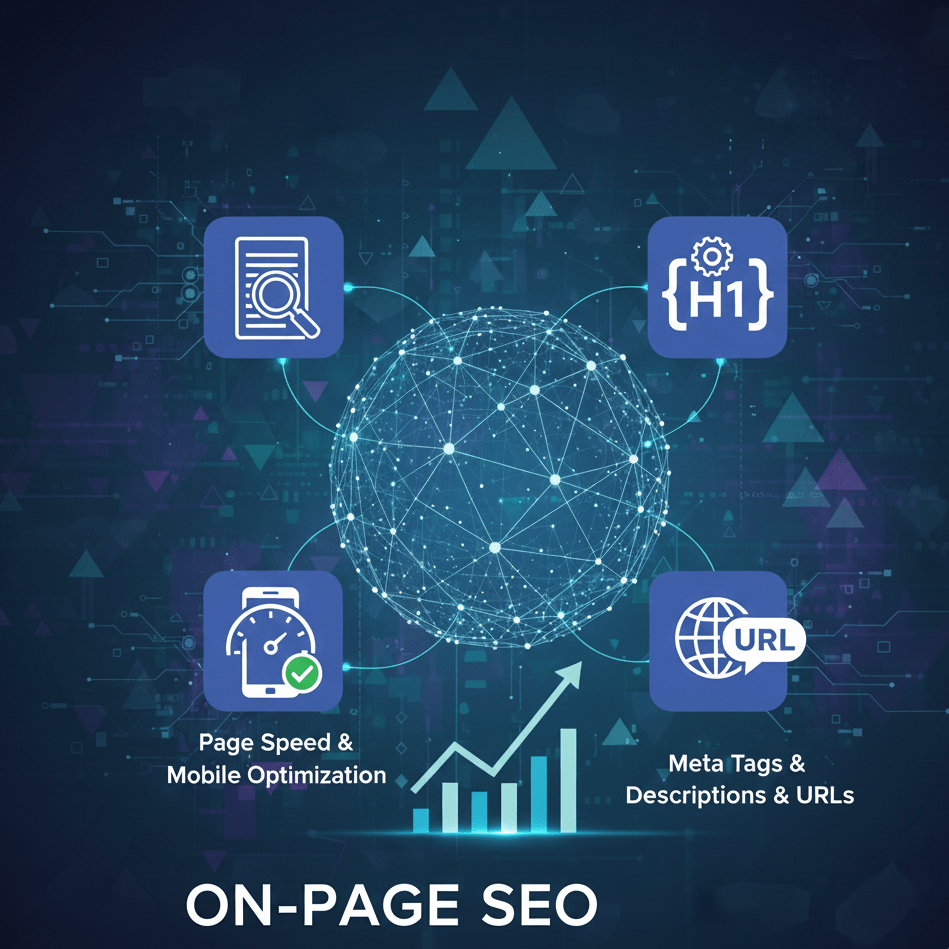
What Is On Page SEO?
On page SEO refers to the practice of optimizing individual web pages to improve search engine rankings and user experience. It focuses on content and HTML source code rather than external factors.
Key elements of on page SEO include content quality, keyword usage, headings, internal linking, URL structure, images, and page performance. Search engines use these elements to evaluate whether a page deserves to rank for specific search queries.
Why On Page SEO Matters
On page SEO helps search engines understand what a page is about and how useful it is for users. Well-optimized pages are easier to crawl, index, and rank. More importantly, on page SEO ensures visitors get clear, relevant, and trustworthy information.
Benefits of strong on page SEO include:
- Higher search visibility
- Improved user experience
- Better engagement metrics
- Increased organic traffic
- Long-term ranking stability
Without on page SEO, even authoritative websites can lose rankings due to poor structure or unclear content.
Keyword Research and Placement
Keyword usage is a core part of on page SEO. The focus keyword should appear naturally in important locations without forcing it.
Best practices include placing the keyword in:
- Page title
- Meta description
- URL
- Headings
- First 100 words
- Throughout the content naturally
Avoid overusing keywords. On page SEO prioritizes clarity and relevance over repetition.
High-Quality Content Optimization
Content quality is the backbone of on page SEO. Pages should provide accurate, complete, and useful information that satisfies search intent. Thin or misleading content weakens trust and rankings.
Effective on page SEO content should:
- Answer user questions clearly
- Use simple, readable language
- Be well-structured with headings
- Include updated and factual information
When content demonstrates subject knowledge and clarity, it strengthens both rankings and credibility.
Title Tags and Meta Descriptions
Title tags and meta descriptions play a crucial role in on page SEO. They help search engines understand the topic and influence click-through rates.
A strong title tag should:
- Include the focus keyword
- Stay under 60 characters
- Clearly describe the page
Meta descriptions should be concise, informative, and user-focused. While they don’t directly affect rankings, they improve visibility and trust.
Header Tags and Content Structure
Header tags improve readability and signal content hierarchy. Proper heading structure is essential for on page SEO.
- H1: Main topic of the page
- H2: Key sections
- H3–H4: Supporting subtopics
Well-structured headings make content easier to scan for both users and search engines, improving engagement and clarity.
URL Optimization
URLs should be clean, short, and descriptive. On page SEO favors URLs that clearly indicate page content.
Best practices include:
- Using lowercase letters
- Including the focus keyword
- Avoiding unnecessary symbols or numbers
A clear URL improves user trust and search engine understanding.
Internal Linking Strategy
Internal links strengthen on page SEO by helping search engines crawl related content. They also guide users to additional helpful pages.
Benefits of internal linking include:
- Better crawlability
- Improved user experience
- Distributed page authority
- Reduced bounce rate
Anchor text should be natural and descriptive, not forced or repetitive.
Image Optimization for On Page SEO
Images enhance content but must be optimized correctly. Image optimization is an important on page SEO factor often overlooked.
Key practices include:
- Descriptive file names
- Relevant alt text
- Compressed file sizes
- Proper placement
Alt text improves accessibility and helps search engines understand visual content.
Page Speed and Mobile Optimization
User experience directly impacts on page SEO. Slow-loading or non-mobile-friendly pages result in higher bounce rates.
Optimization tips include:
- Compressing images
- Minimizing scripts
- Using responsive design
- Improving server performance
Fast and mobile-friendly pages signal reliability and quality to both users and search engines.
Content Accuracy and Trust Signals (EEAT)
Trust is a critical component of on page SEO. Pages should be transparent, accurate, and user-focused.
Ways to build trust include:
- Clear and factual information
- Updated content
- Easy navigation
- Contact and policy pages
Content that prioritizes user value strengthens authority and long-term performance.
Common On Page SEO Mistakes
Avoiding common mistakes is just as important as optimization. Frequent errors include:
- Keyword stuffing
- Duplicate content
- Poor heading structure
- Missing meta tags
- Thin or outdated content
Fixing these issues improves rankings and user satisfaction.
Final Thoughts
On page SEO is not a one-time task but an ongoing process. It requires consistent updates, quality content, and user-focused optimization. When done correctly, on page SEO improves visibility, builds trust, and supports sustainable organic growth.
By focusing on clarity, relevance, and accuracy, on page SEO becomes a powerful tool for achieving higher rankings and long-term success.